
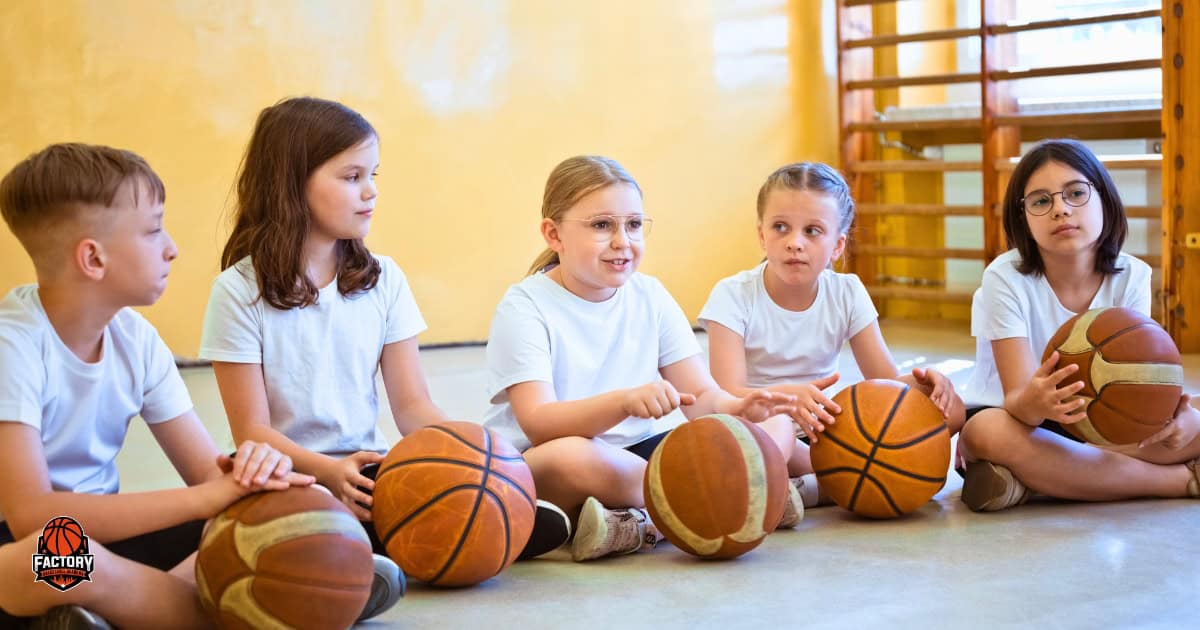
Basketball is often seen as just a game. It gives kids a chance to stay active, have fun, and burn off energy. But for parents, coaches, and players involved in youth basketball, it quickly becomes clear that the sport offers much more than physical activity.
Beyond the dribbling and shooting, there are important life lessons kids learn in basketball. From learning how to work with others to handling disappointment, these lessons can stay with them for life.
Here are five valuable life lessons children develop through basketball.
Discipline Builds Long-Term Success
Basketball teaches kids that improvement takes consistency and effort. Whether it’s arriving at practice on time or working on a difficult skill repeatedly, young athletes begin to understand the importance of discipline.
Learning how to dribble with the non-dominant hand or improve a free throw shot takes time. Through repetition, kids discover that progress happens little by little through steady work and commitment. Basketball also teaches children to follow rules, listen to coaches, and respect team expectations.
These habits help build responsibility and prepare kids for success in school, work, and other areas of life.
Resilience Helps Kids Handle Challenges
Basketball is full of ups and downs. Missed shots, turnovers, and losses are all part of the game. Learning how to respond to setbacks is one of the most important lessons young athletes can develop.
A missed layup or bad pass does not define a player. Basketball teaches kids to learn from mistakes, refocus, and move forward with confidence. This “next play” mindset helps children become more resilient in everyday life.
Losing can be disappointing, but it also teaches sportsmanship, perseverance, and determination. Kids learn that setbacks are opportunities to improve rather than reasons to quit.
Communication Strengthens Teamwork
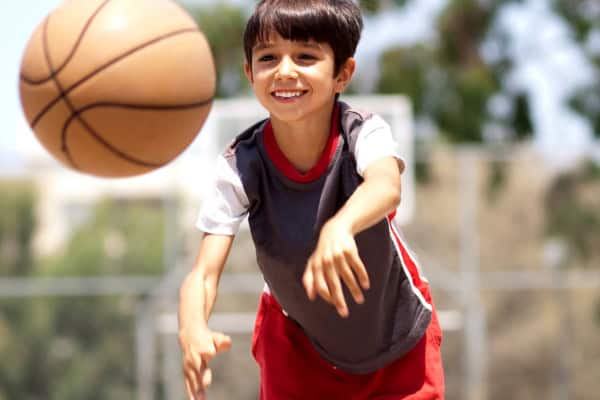
Basketball is a fast-moving team sport that depends on communication. Players quickly realize that talking with teammates is essential for success.
Calling for a pass, warning teammates about screens, or directing defensive coverage all require quick and clear communication. These moments help children become more confident communicators.
Players also learn how to listen carefully during practices, huddles, and games. Listening to coaches and teammates helps children understand their role and work effectively within a group.
Teamwork Teaches Selflessness
One of the biggest lessons basketball teaches is that success happens when people work together. Even talented players rely on their teammates to succeed.
Kids learn that making the extra pass is often better than trying to do everything alone. Basketball helps children understand the value of teamwork and shared success.
Encouraging teammates after mistakes and celebrating their successes helps build empathy and trust. These experiences teach kids how to become supportive and dependable people both on and off the court.
Time Management Builds Responsibility
For many children, basketball is one of the first activities that requires balancing multiple responsibilities at once.
Practices, games, homework, family time, and rest all need attention. Basketball helps kids develop organizational skills and learn how to manage their time effectively.
Young athletes begin to understand how to prioritize responsibilities and make wise choices with their time. These habits can benefit them well into adulthood.
Basketball Builds More Than Athletes

The next time your child steps onto the basketball court, remember they are gaining more than athletic skills. They are developing discipline, resilience, communication, teamwork, and responsibility.
Youth basketball helps shape confident, capable young people who are better prepared for challenges in school, relationships, and life. That makes basketball much more than just a game.