






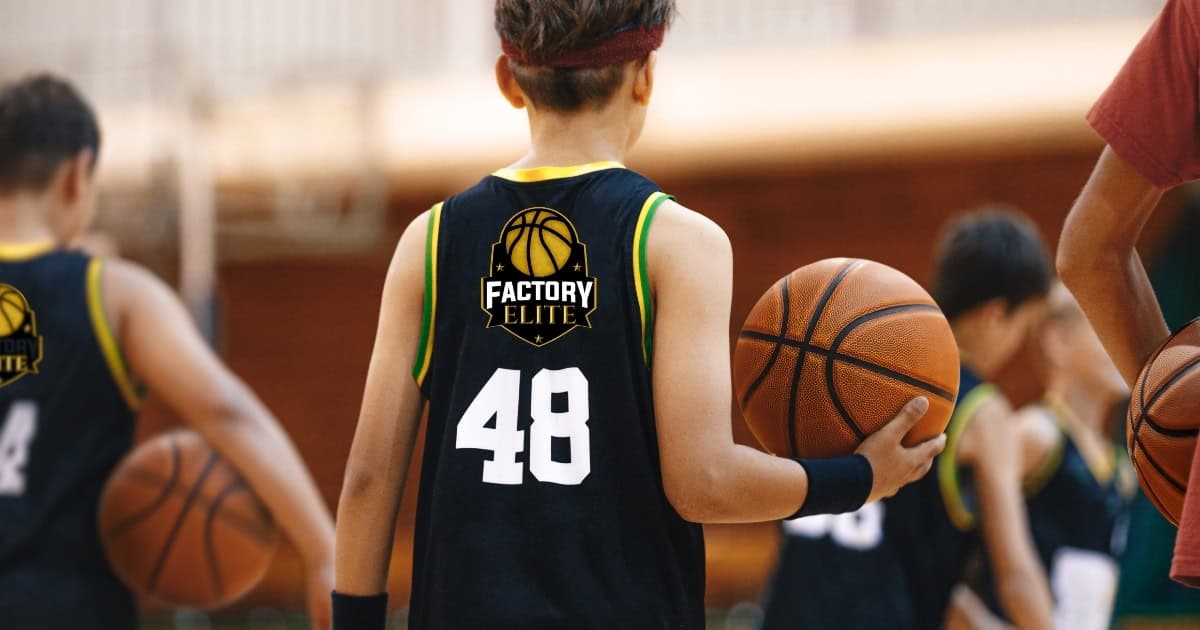
If you’ve ever driven home from a basketball game or practice, you know that the car ride home can feel heavier than expected. The gym’s quiet now, emotions are still close to the surface, and your child finally has space to process what just happened.
The car ride home after a game or practice often becomes the moment young athletes replay in their heads. What’s said, or not said, can shape how they feel about basketball, their confidence, and whether they’re excited to come back next time.
Skill development matters, but so does experience. That balance is at the heart of youth sports and something we talk about in Basketball Training for Kids Is More Than Just a Game.
Parents want to help. That’s natural. But sometimes, without meaning to, we add pressure instead of support.
What Not to Say on the Car Ride Home
"Why did you..." or "You Should've..."
WHY IT HURTS:
Even when intentions are good, these comments can sound critical. Your child already knows when they missed a shot or made a mistake. Replaying it right away can make them feel like they let you down.
TRY THIS INSTEAD:
Save teaching moments for later. Confidence and effort drive long-term improvement, which connects closely to what makes strong teammates, as outlined in The 5 Traits of a Great Teammate.
"That ref was terrible" or "The coach made a bad call"
WHY IT HURTS:
Blaming refs or coaches shifts focus away from responsibility and effort. It can also confuse kids when they respect their coach but hear criticism at home.
TRY THIS INSTEAD:
Talk about resilience, effort, and learning to respond well under pressure. Organizations like (https://positivecoach.org) have great insights on building healthy sports mindsets.
"Did you win?" as the first question
WHY IT HURTS:
Winning is fun, but when it’s the first thing asked, kids can feel like the score matters more than how they played or how they felt.
TRY THIS INSTEAD:
Start with curiosity about their experience. Wins and losses will come up naturally if they want to talk about them.
"You need to practice more"
WHY IT HURTS:
Right after a game or practice, this can feel discouraging or overwhelming. Most kids already know what they want to improve.
TRY THIS INSTEAD:
Let them bring it up when they’re ready. Rest, recovery, and emotional reset are just as important, especially on busy basketball days, something we highlight in How Sleep and Quality Nutrition Spark a Young Athlete’s Performance.
What to Say That Actually Helps
Ask open, non judgemental questions
Examples:
- "What was your favourite part of today?"
- "Did you have fun out there?"
WHY IT WORKS:
It lets your child lead the conversation and shows that their experience matters more than results.
Praise effort, attitude, and teamwork
Examples:
- "I loved how hard you worked today"
- "I noticed how you encouraged your teammates"
- "You didn't quit when things got tough"
WHY IT WORKS:
Effort and attitude are always within your child’s control, whether it’s a game night or a weekday practice.
Acknowledge their emotions
Examples:
- "I know that was frustrating"
- "It's okay to feel disappointed"
WHY IT WORKS:
When kids feel understood, they’re more open and more confident moving forward.
Sometimes, say less
Not every car ride home after a game or practice needs a conversation. Being present and quiet can be just as supportive.
WHY IT WORKS:
It communicates unconditional support. Your child knows you’re there no matter how things went - whether they won or lost that game.
Being the Parent Your Athlete Needs
Whether your child plays house league or competitive basketball, what they need most is to know you enjoy watching them play.
The car ride home after a basketball game isn’t about coaching or correcting. It’s about protecting their love for the game and helping them develop confidence that carries far beyond the court.
When parents focus on encouragement, listening, and presence, kids are more resilient, more motivated, and more likely to stay involved in sport long term. That balance between development and enjoyment is at the heart of their development.
Your Turn
What’s helped your family turn the car ride home into a positive experience? Share your thoughts in the comments and help support other basketball parents in our community.

0 Comments