


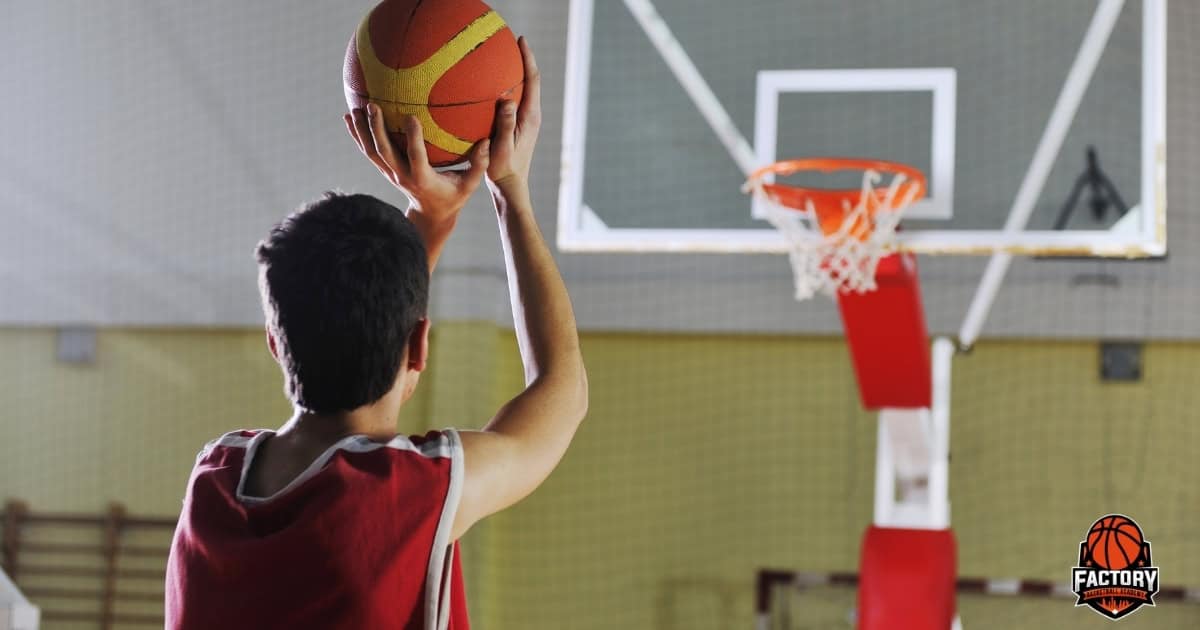
For any young basketball player, learning to shoot is one of the most exciting and important parts of the game. A good shot requires a combination of power, accuracy, and consistency. While the pros make it look effortless, the foundation of a great shot comes from mastering the fundamentals.
At [Your Organization Name], we teach our young athletes the basics using a simple, easy-to-remember acronym: B.E.E.F. This method breaks down the perfect shot into four key components, making it simple for even our youngest players to understand and practice.
Let's dive into what each letter of B.E.E.F. stands for and how it builds a better shot.
B is for Balance
A great shot starts from the ground up. Without a stable base, it's impossible to generate power and maintain accuracy.
Feet: A player's feet should be about shoulder-width apart. This provides a solid foundation. For right-handed shooters, the right foot should be slightly in front of the left. (The opposite is true for left-handed shooters.)
Knees: The knees should be bent, allowing the player to "load" up power. The power for a shot doesn't come just from the arms; it comes from the legs and hips.
Alignment: The feet, hips, and shoulders should be aligned with the basket. This creates a "power line" that guides the ball straight to the hoop.
Practice Drill: Have your child stand in their shooting stance without a ball. Ask them to hold their position while you gently try to push them off balance. If they can stay stable, they've found their "B."
E is for Eyes
Once a player has their balance, their eyes are the most important part of their targeting system.
Focus: A player's eyes should be fixed on the target—not the ball, not the defender, and not their hands.
Target Point: We encourage our players to pick a specific spot on the rim to aim for, like the front of the rim or the small hook on the backboard. This provides a consistent target for every shot.
Don't Follow the Ball: A common mistake is for players to follow the flight of the ball with their eyes. The eyes should stay locked on the target until the ball goes through the net.
Practice Drill: In a close-range shooting drill, have your player call out "eyes on the target!" before every shot to reinforce the habit.
E is for Elbow
The shooting elbow is crucial for guiding the ball and ensuring a straight shot.
Position: The shooting elbow should be positioned directly under the basketball, forming an "L" shape. The elbow should not flare out to the side like a chicken wing.
Straight Path: As the player shoots, their elbow should extend in a straight line toward the basket. This motion helps to create a smooth, accurate arc on the shot.
One-Handed Release: The non-shooting hand is only a guide. It should stay on the side of the ball, not in front, and should release the ball before the shooting hand. This ensures the shot is a one-handed push, powered by the shooting arm.
Practice Drill: Have a player practice shooting from a close distance using only their shooting hand. The guiding hand can be placed behind their back to prevent them from using it. This drill helps them get a feel for the straight-line motion of the shooting arm.
F is for Follow-Through
The follow-through is the final and most important step to completing the shot and putting backspin on the ball.
Wrist Snap: As the arm extends, the player should snap their wrist forward, letting the ball roll off their fingertips. This wrist snap generates the backspin needed for a soft touch.
Hold the Pose: The follow-through isn't finished when the ball leaves the hand. The player should hold their arm and wrist in the follow-through position until the ball either goes in or hits the rim. A good cue is to imagine your hand is reaching into a cookie jar on a high shelf.
Hand Position: After the snap, the shooting hand should be pointed down, like a goose's neck, with the fingers pointed toward the floor.
Practice Drill: After a player takes a shot, have them freeze in their follow-through position. The coach can then give them a quick check to see if their hand is pointed down and their arm is extended.
Conclusion
The B.E.E.F. method is a fantastic way for young players to learn and practice the fundamental mechanics of a successful basketball shot. It provides a simple, memorable checklist for every shot, helping them build good habits that will last a lifetime.
We'll be working on these principles at every practice, so encourage your child to practice their B.E.E.F. at home! A few minutes of consistent practice each day can make a world of difference.
0 Comments